
When thousands of people gather for concerts, festivals, and sporting events, the responsibility for their safety rests heavily on comprehensive event security planning. Unfortunately, history has shown us that even seemingly well-planned events can turn into tragedies when security measures fail. Understanding these failures and learning from past mistakes is crucial for anyone involved in event planning or security management.
The Human Factor: Why Most Event Security Fails
While technology plays an increasingly important role in modern event security, the majority of event security incidents occur due to human factors rather than technological failures, according to the Security Industry Association. This sobering reality highlights a fundamental truth about event security: no amount of sophisticated equipment can compensate for poor planning, inadequate training, or communication breakdowns between security teams.
The most effective event security starts months before the actual event with proper threat assessment and planning, as security experts consistently emphasize. This preparation phase is where many events fall short, leading to preventable disasters. Communication breakdown between security teams is the leading cause of preventable security incidents, making clear protocols and regular training essential components of any security strategy.
Common Human Failures in Event Security
Event security failures often stem from inadequate crowd control planning, insufficient security personnel, and poor communication between agencies, according to the International Association for Healthcare Security and Safety Foundation. These failures create a domino effect that can quickly escalate minor incidents into major emergencies.
Large-scale events require approximately 1 security officer per 75-100 attendees for optimal safety coverage, as determined by the Event Safety Alliance. However, many events attempt to cut costs by reducing security personnel, creating dangerous gaps in coverage that can have catastrophic consequences.
Analyzing Major Event Security Disasters
The Station Nightclub Fire (2003)

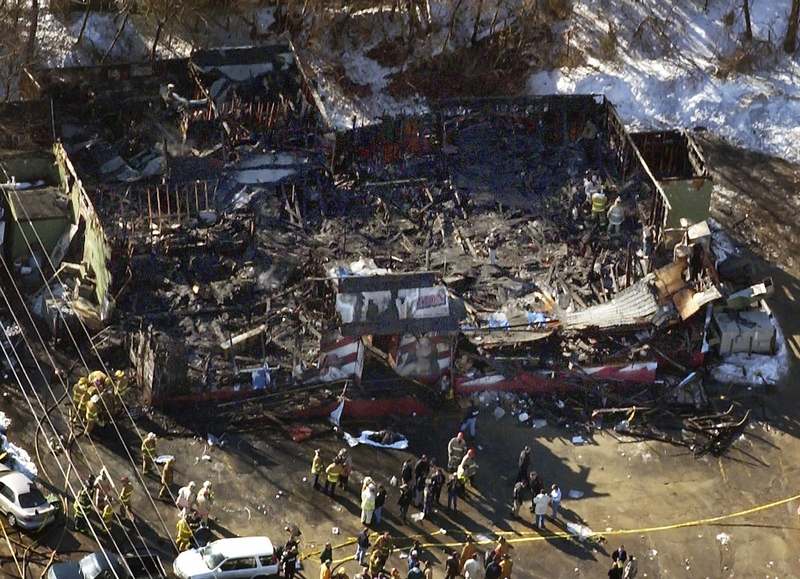
One of the most devastating examples of event security failure occurred at The Station Nightclub in Rhode Island, where poor exit planning and overcrowding led to 100 deaths. This tragedy highlighted the critical need for proper capacity management and emergency egress planning. The venue's inadequate exit capacity and blocked emergency exits created a fatal bottleneck when pyrotechnics ignited the building's flammable soundproofing materials.
Astroworld Festival (2021)
More recently, the Astroworld Festival demonstrated how crowd surge can become deadly when proper crowd control measures are absent. The festival's crowd surge resulted in 10 deaths due to inadequate crowd control and emergency response planning. This incident revealed critical gaps in crowd density monitoring and emergency communication protocols.
Manchester Arena Bombing (2017)
The terrorist attack at Manchester Arena showed critical gaps in venue security screening and the need for enhanced threat detection at transition points. The bomber was able to position himself in a public foyer area that fell between different security perimeters, illustrating how the biggest security gaps occur in the transition zones between different security perimeters.

Boston Marathon Bombing (2013)
This attack demonstrated the importance of comprehensive perimeter security and rapid emergency response coordination. Despite the presence of law enforcement, the bombers were able to place explosives in crowded areas, highlighting the challenges of securing large, open public events.

Route 91 Harvest Festival (2017)
The Las Vegas shooting revealed vulnerabilities in elevated position monitoring and rapid response protocols. The shooter's ability to fire from a hotel room into the festival area exposed critical blind spots in security planning and demonstrated the need for comprehensive threat assessment that considers all potential attack vectors.
.svg.png "jpeg-optimizer_Mandalay_Bay,_McCarran,_and_Route_91_%28crop%29.svg")
The Financial Impact of Security Failures
The cost of inadequate event security extends far beyond the immediate human tragedy. Security incidents at major events cost an average of $1.2 million per incident in damages and liability, according to the International Association of Venue Managers in 2022. This figure includes medical costs, legal settlements, property damage, and lost revenue from cancelled or postponed events.
Post-9/11 event security protocols increased security costs by an average of 300% for major public events, as reported by the U.S. Department of Homeland Security. While this increase represents a significant investment, events with professional security planning experience 67% fewer serious incidents compared to those without, according to the Event Safety Alliance in 2023.
The Return on Investment in Proper Security
Event-related injuries decreased by 23% from 2010 to 2020 in venues that implemented comprehensive security protocols, according to the National Safety Council in 2021. This statistic demonstrates that proper security investment pays dividends not only in terms of safety but also in reduced liability and insurance costs.
Technology-enhanced security systems reduce response times by an average of 43%, as reported by the Security Industry Association in 2022. This improvement in response time can mean the difference between a minor incident and a major disaster.
Modern Event Security: Technology and Best Practices
Technological Advances in Event Security
Modern event security requires a layered approach combining physical security, technology, and intelligence gathering. Today's security professionals are integrating AI and facial recognition technology for real-time threat detection, while implementing digital ticketing systems with enhanced security features to better track and control access to events.
The adoption of drone technology for aerial surveillance and crowd monitoring has revolutionized how security teams can monitor large events. These aerial platforms provide unprecedented visibility into crowd dynamics and potential security threats, allowing for proactive rather than reactive security measures.
Enhanced Coordination and Communication
The importance of enhanced coordination between private security and law enforcement agencies cannot be overstated. Effective communication protocols ensure that all security personnel operate with shared situational awareness and can respond quickly to emerging threats.
Mobile security apps for crowd-sourced incident reporting are becoming increasingly common, allowing attendees to report suspicious activity directly to security teams. This technology creates additional eyes and ears for security personnel while engaging the public as partners in safety.
Implementing Comprehensive Security Protocols
Risk Assessment and Planning
Conducting comprehensive risk assessments specific to the event type and location forms the foundation of effective event security. This process must consider factors such as venue layout, expected attendance, local threat levels, weather conditions, and the specific characteristics of the event itself.
Establishing clear command and control structures with defined communication protocols ensures that all security personnel understand their roles and responsibilities. Regular security drills and tabletop exercises before major events help identify potential problems and ensure smooth coordination during actual emergencies.
Physical Security Measures
Implementing multiple security perimeters with appropriate screening procedures creates layers of protection that make it increasingly difficult for threats to reach vulnerable areas. These perimeters should be designed with clear transition points and adequate staffing to prevent the security gaps that have proven so dangerous in past incidents.
Developing detailed evacuation plans with clearly marked emergency exits is essential for any event. These plans must account for different scenarios and ensure that all attendees can safely exit the venue within acceptable timeframes.
Training and Personnel Management
Training all security personnel in emergency response procedures and de-escalation techniques is as important as physical security measures. Security staff must be prepared to handle not only security threats but also medical emergencies, crowd control situations, and other incidents that may arise.
Using technology to enhance but not replace human security judgment ensures that security teams maintain the flexibility and decision-making capability necessary to respond to unexpected situations.
Balancing Security with Attendee Experience
One of the ongoing challenges in event security is balancing security measures with attendee experience and accessibility. Overly aggressive security measures can create negative experiences that deter future attendance, while insufficient security puts lives at risk.
Managing security costs while maintaining adequate protection levels requires careful planning and strategic investment in the most effective security measures. The key is identifying which security investments provide the greatest return in terms of both safety and cost-effectiveness.
Adapting security protocols for different event types and venues ensures that security measures are appropriate for the specific risks and characteristics of each event. A music festival requires different security considerations than a corporate conference or sporting event.
The Future of Event Security
As threat landscapes continue to evolve, event security professionals must stay current with new technologies and emerging best practices. Growing emphasis on cybersecurity for event management systems reflects the increasing digitization of event operations and the corresponding cyber risks.
Keeping up with evolving threat landscapes and new security technologies requires ongoing investment in training and equipment. Security professionals must also ensure compliance with local, state, and federal security regulations, which continue to evolve in response to new threats and lessons learned from past incidents.
Taking Action: Your Next Steps for Better Event Security
The lessons learned from major event security failures provide a roadmap for better security planning and implementation. By understanding what went wrong in these high-profile incidents, event planners and security professionals can work to prevent similar tragedies.
Whether you're planning a small corporate event or managing security for a major festival, the principles remain the same: thorough planning, adequate staffing, clear communication, and comprehensive training are essential components of effective event security.
If you're responsible for event security or planning an upcoming event, don't wait until it's too late. Contact our event security specialists today to discuss your security needs and ensure your event is both safe and successful. Our team of certified security professionals can help you develop comprehensive security protocols that protect your attendees while maintaining the positive experience they expect.